The Future of Battlefield: Navigating Community Toxicity, Game Development, and a Hopeful Rebirth
Hey everyone, let's talk about the state of Battlefield. As we look ahead in 2026, it's clear this franchise has been on one heck of a journey. I remember when EA confirmed a new Battlefield title was in the works, and the reaction was... intense, to say the least. It wasn't just excitement; a loud, toxic segment of the so-called "fan" base decided to take their frustrations out directly on the developers at DICE. This led to something I never want to see repeated: EA had to step in and publicly ask people to stop harassing their teams. They made it clear on their official channels that while constructive feedback is welcome, protecting their people from abuse is non-negotiable. It's a sad reminder that behind every game are real people pouring their hearts into it.
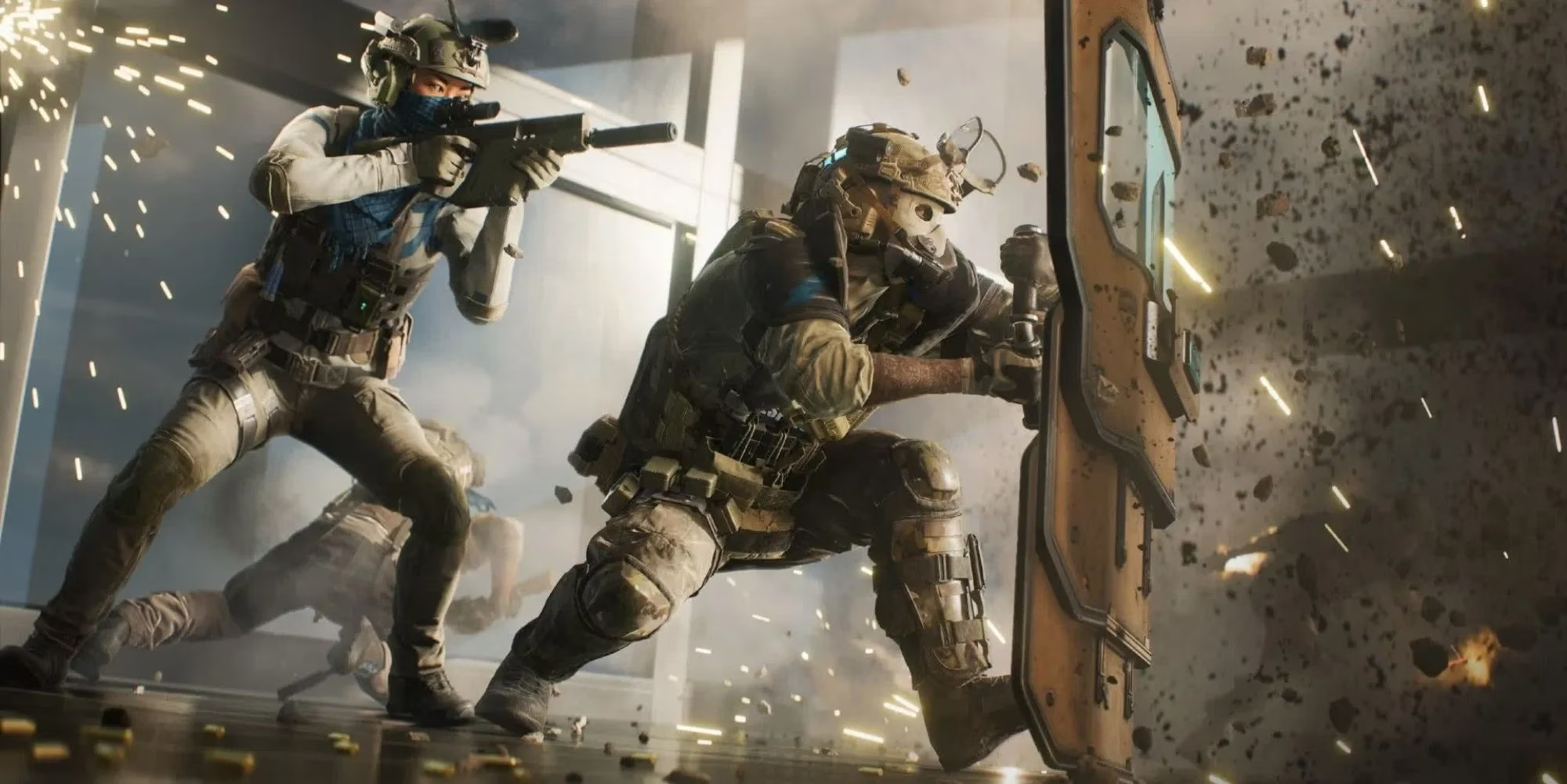
The Aftermath of Battlefield 2042 and Leadership's Pledge
Let's rewind a bit. The launch of Battlefield 2042 back in 2021 was, by most accounts, a catastrophe. Player numbers plummeted, and the game struggled to find its footing for a long time. Fast forward to now, and EA's CEO, Andrew Wilson, has been pretty vocal about taking ownership of those past missteps. He's stated his unwavering confidence in the DICE team and their vision for the future. The most intriguing part? He promised that the next Battlefield experience would return "in an entirely new way." That phrase alone has sparked countless discussions and theories within the community. What does a reinvention look like for such a classic series? He emphasized building expansive, cross-platform experiences that can captivate massive online communities—a clear vision for where the franchise needs to go.
The Ugly Side of Fandom: When Criticism Turns Toxic
Now, here's the tough part. When EA shared that statement about protecting their developers from harassment, the response in some corners was disgraceful. Instead of fostering a healthy dialogue, some individuals doubled down with vile comments. I saw suggestions that DICE should be sent to "re-education courses" or that EA was being a "snowflake" for calling out abuse. This toxicity spilled over onto other platforms, with some arguing that the harassment was justified. It's a destructive cycle that helps no one. However, it's crucial to remember this wasn't the entire community. Many supportive voices stood up for the devs, offering a much-needed counterbalance. A common-sense suggestion emerged: if you're truly dissatisfied, the most powerful statement is simply to stop playing and spend your time and money elsewhere.
Signs of Hope and Steady Improvement
Despite the rocky start and the noisy negativity, there's a genuine story of progress here. Battlefield 2042 didn't just get abandoned. The DICE team has been grinding away, implementing updates and listening to core feedback. One of the biggest and most celebrated changes was the move away from the controversial specialist system back to a more traditional, class-based framework. This pivot showed they were listening to the heart of what long-time fans loved about the series. This decision, among other quality-of-life enhancements and content drops, has slowly but surely brought some players back into the fold. It proved that with sustained effort, a game can recover and rebuild trust.
Looking Forward: What "An Entirely New Way" Could Mean
So, what's next? As we sit here in 2026, the promise of a new Battlefield built "in an entirely new way" is more relevant than ever. The gaming landscape has evolved dramatically. Here are a few areas where I think the franchise could innovate:
-
Evolving Gameplay Mechanics: Beyond just classes, integrating deeper, more dynamic environmental interactions and perhaps new large-scale combat modes.
-
Live Service & Content: Building a robust, respectful live-service model that feels rewarding, not predatory, with a clear, transparent roadmap.
-
Community Integration: Finding better, more direct ways to channel constructive community feedback into development without opening the door to abuse.
-
Technical Foundation: Ensuring a rock-solid technical launch with extensive testing to avoid the pitfalls of the past.
The journey of Battlefield is a powerful lesson for the entire industry. It shows that no franchise, no matter how legendary, is immune to stumbles. But it also shows that recovery is possible through dedication, clear communication, and a commitment to the game's core identity. The path forward requires a partnership between respectful developers and a mature, constructive community. I, for one, am cautiously optimistic to see what this new chapter brings. The potential for a spectacular comeback is definitely there.