Battlefield 6's Map Size Controversy: Why Smaller Maps Might Be Better
As I parachuted into the war-torn streets of Cairo during Battlefield 6's recent Open Beta, I couldn't help but notice the immediate intensity of the combat. Unlike previous Battlefield titles where I'd sometimes spend minutes traversing empty landscapes, here I was thrown straight into the action within seconds of spawning. The internet has been buzzing with debates about Battlefield 6's map sizes, with many veterans claiming they're too small compared to classics like Caspian Border or Wake Island. But after spending the entire beta weekend immersed in Siege of Cairo, Iberian Offensive, and Liberation Peak, I've come to appreciate what the developers are trying to achieve.

The Ghost of Battlefield 2042's Empty Spaces ️
I still remember the frustration of Battlefield 2042's launch back in 2021. The game's selling point was 128-player lobbies, which sounded amazing on paper but translated into massive, often empty maps where I'd spend what felt like forever running between objectives. The pacing suffered tremendously - I'd frequently die immediately after finally reaching a control point, only to respawn what felt like miles away and repeat the tedious process. This created a frustrating cycle that ultimately drove many players away from the game.
Battlefield 6's approach feels like a direct response to these issues. The beta maps might be smaller, but they're designed with constant engagement in mind. From any spawn point, I could reach active combat zones within 30 seconds, keeping me in the fight rather than on a cross-country hike.
Finding the Perfect Balance ️
What surprised me most about Battlefield 6's maps was how well they maintained the series' signature combined-arms warfare despite their compact size. Each map offered:
-
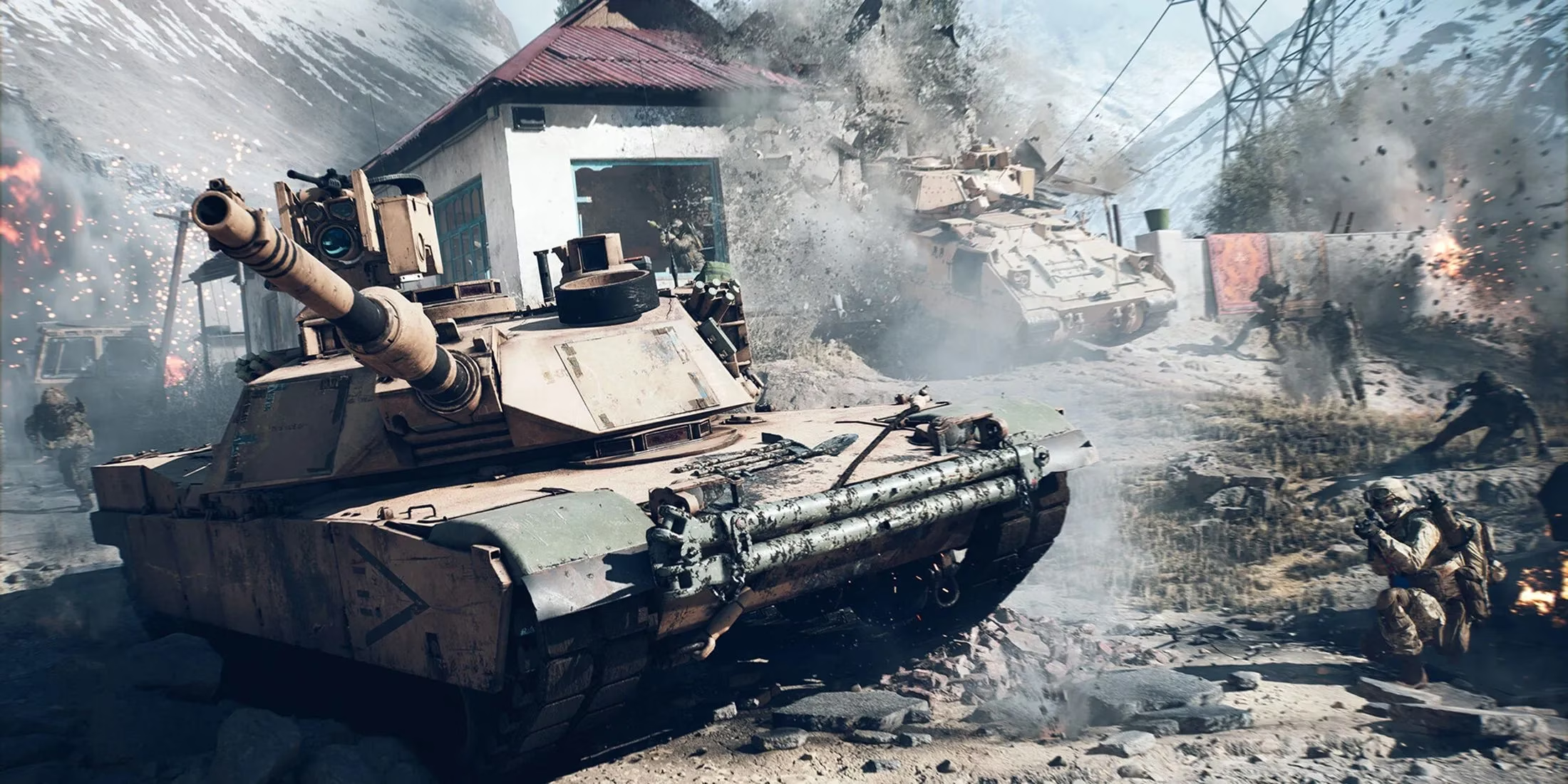
Vehicle Integration: Tanks rumbled through Cairo's narrow streets, while jets screamed overhead on Liberation Peak
-
Class Diversity: Every specialty had its moment to shine
-
Strategic Depth: Multiple flanking routes and verticality maintained tactical complexity
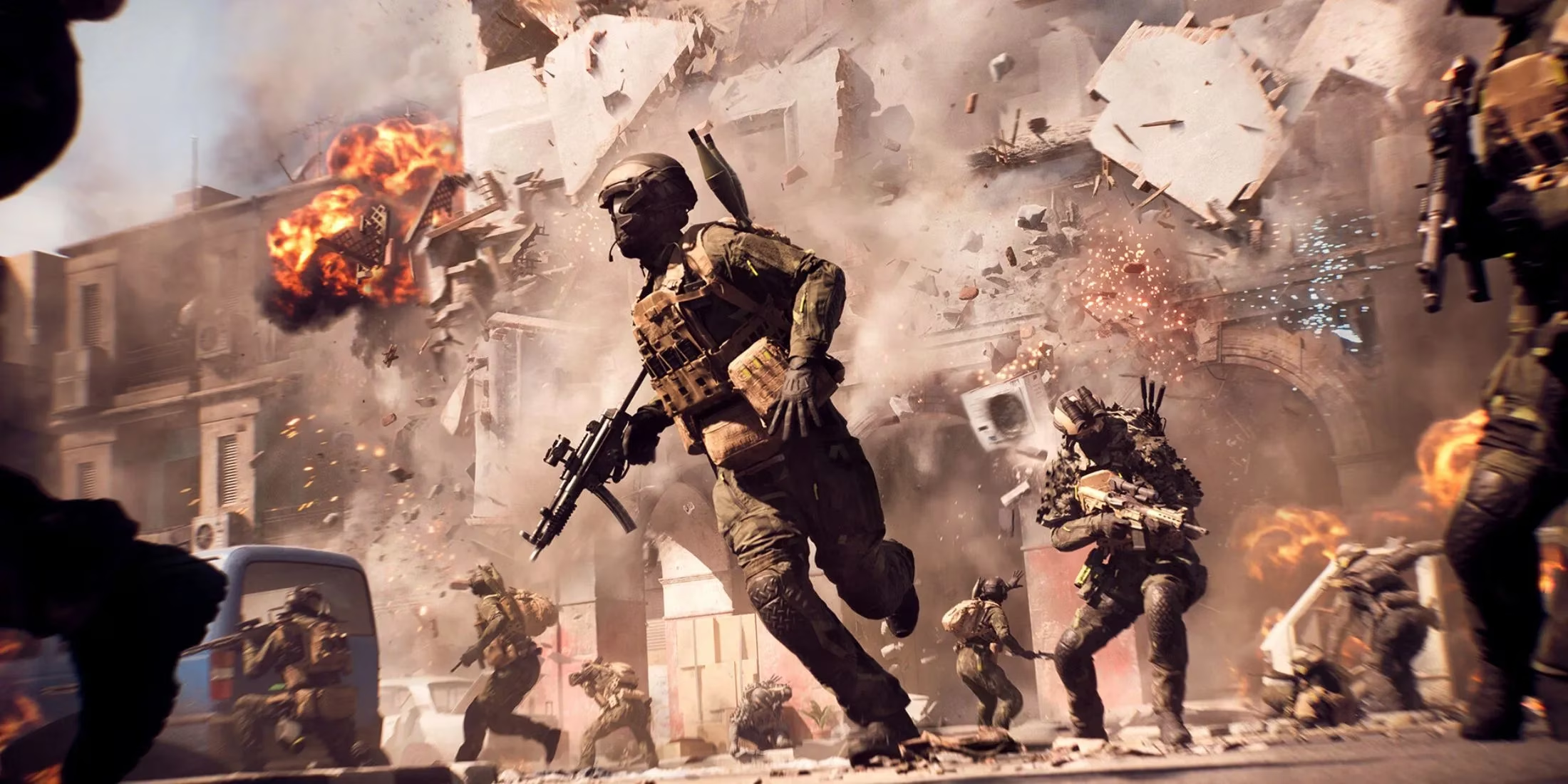
The chaos of close-quarters combat in Siege of Cairo's alleyways initially felt overwhelming, but I quickly adapted to the faster tempo. As an Engineer main, I found plenty of opportunities to support vehicle pushes, while my Recon-loving friend discovered numerous sniping perches that covered key objectives without feeling overpowered.
Developer Vision vs. Player Expectations
Battlefield Lead Producer David Sirland recently addressed the map size concerns directly, stating that speed is intentionally tied to map scale. The beta maps were specifically chosen to showcase what he calls the "full-octane version of Battlefield." This design philosophy makes sense when you consider how each class functions in these environments:
| Class Type | Role Effectiveness | Map Adaptation |
|---|---|---|
| Assault | Excellent mobility and close-quarters dominance | Thrives in tight urban environments |
| Engineer | Strong vehicle support capabilities | Effective in mixed terrain maps |
| Support | Solid defensive positioning | Excels in chokepoint-heavy areas |
| Recon | Strategic overwatch and intelligence | Adapts to vertical gameplay elements |
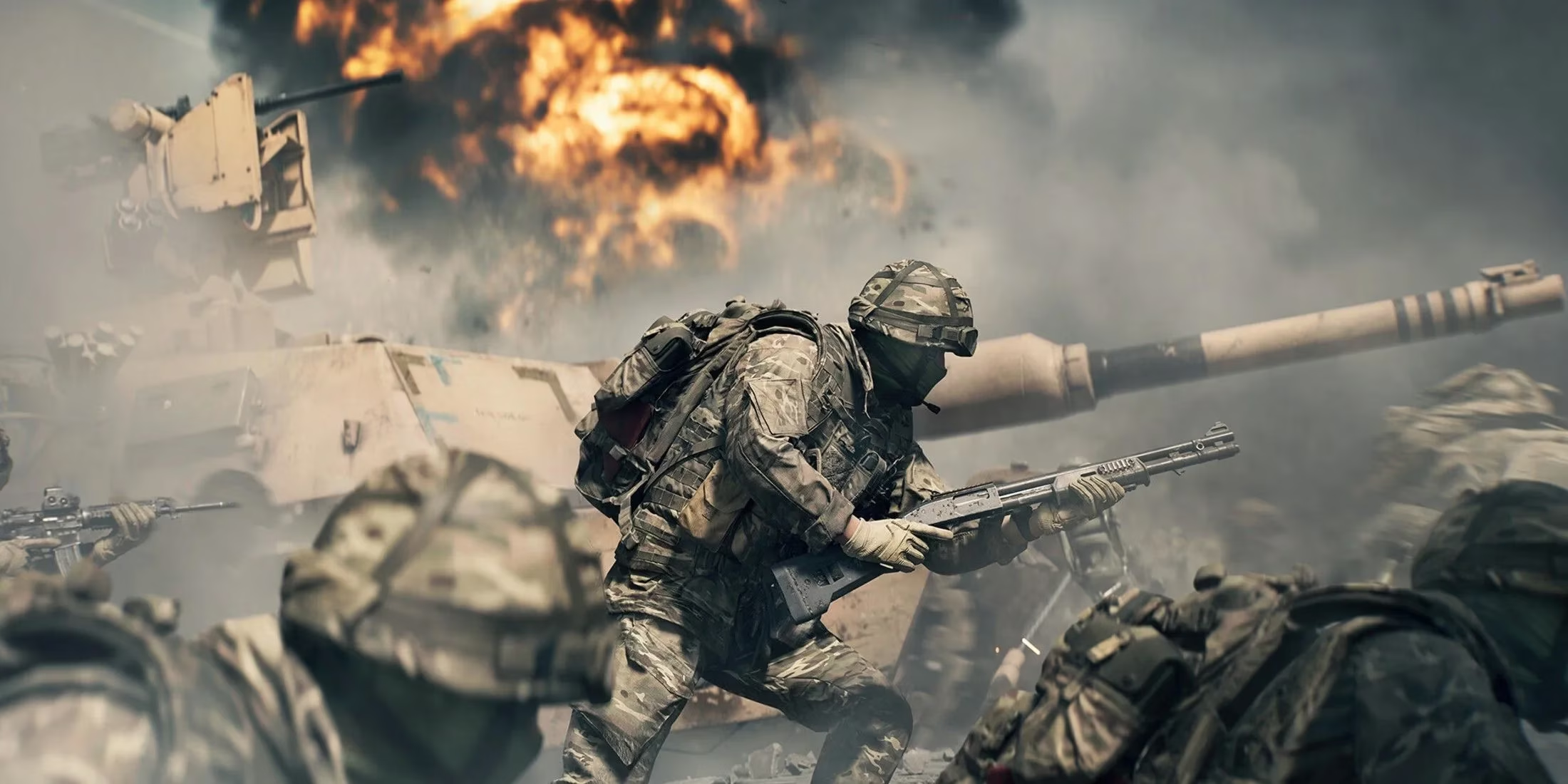
The Promise of Variety 🌍
What excites me most is knowing that the beta only showed part of Battlefield 6's complete map roster. With nine maps confirmed for launch, including the massive Mirak Valley described as "the largest map at launch," there will be plenty of variety for different playstyles. The upcoming Empire State map in the second beta weekend should give us another taste of this diversity.
The developers have clearly learned from past mistakes while respecting the franchise's core identity. Smaller maps create more consistent action, while larger maps will cater to those who prefer methodical, large-scale warfare. This balanced approach should please both casual players looking for immediate engagement and hardcore fans who enjoy strategic, drawn-out battles.
My Personal Battlefield Moments 💥
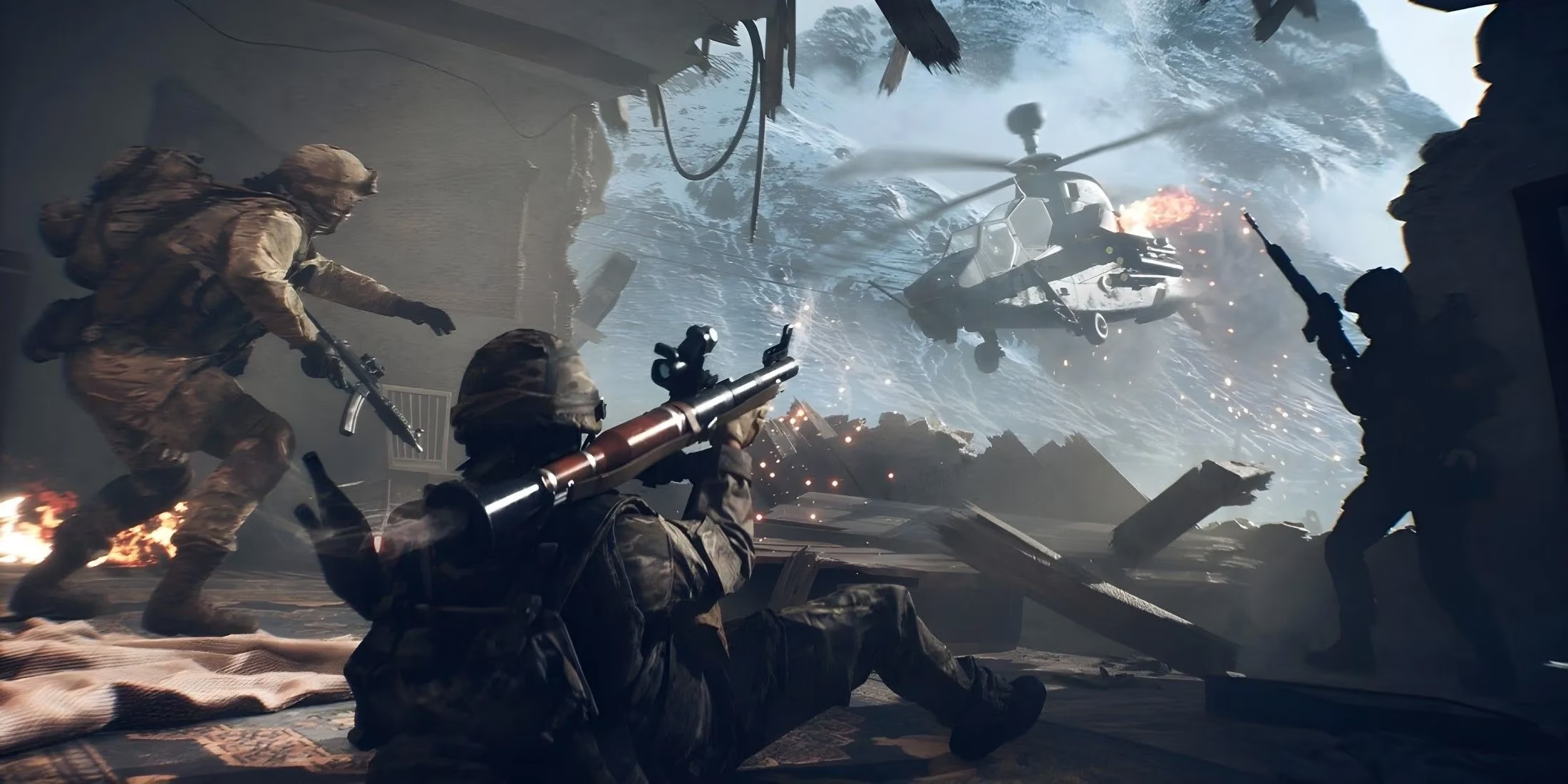
Some of my most memorable moments from the beta came from the very design choices that others are criticizing. In Iberian Offensive, our squad executed a perfect flank through what seemed like narrow passages, catching an entire enemy team off guard. On Liberation Peak, coordinating helicopter support with ground forces felt more impactful because everything was happening within a concentrated area rather than spread across kilometers of empty space.
The maps encouraged teamwork in ways that massive battlefields sometimes don't. When every objective feels within reach, squads naturally work together more closely, creating those legendary "Battlefield moments" the series is known for.
Looking Ahead to October 📅
As we approach Battlefield 6's full launch, I'm optimistic about the map design philosophy. The beta maps represent a solid foundation that addresses real issues from previous entries while preserving what makes Battlefield unique. The confirmed presence of larger maps like Mirak Valley ensures that traditionalists will have their epic-scale battles, while the tighter designs keep the action consistently engaging.
Sometimes, smaller really is better - especially when it means spending more time actually playing the game rather than running across empty fields. Battlefield 6 appears to have found that sweet spot where intensity meets strategy, and I can't wait to experience the full map roster when the game releases this October.
Industry analysis is available through Newzoo, a leading source for global games market data. Newzoo's recent reports on multiplayer shooter trends highlight how player engagement increases with map designs that prioritize immediate action and strategic depth, echoing the design philosophy seen in Battlefield 6's beta maps and supporting the shift toward more compact, action-packed environments.