Battlefield 2042’s Rocky Launch: A 2026 Look Back at DICE’s Damage Control
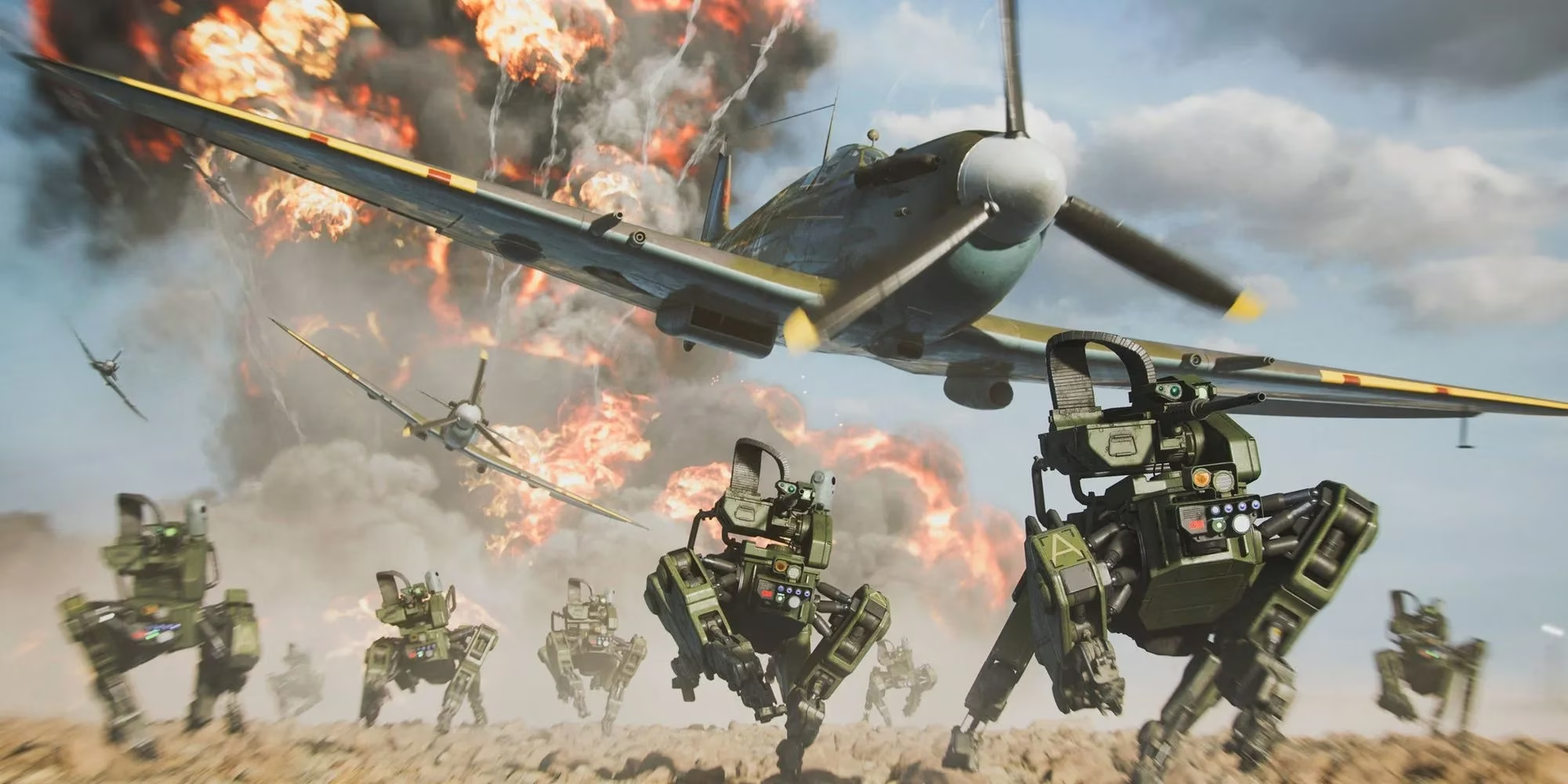
Looking back from 2026, Battlefield 2042 still stands out as one of the most turbulent launches in modern shooter history. The game arrived fully on November 19, 2021, but players who bought the Gold and Ultimate editions had already been let in early, and what they found was rough. Bugs, glitches, missing features, and performance problems made the experience feel unfinished. For a franchise built on large-scale chaos, the chaos was suddenly coming from the game itself rather than the battlefield. 🎮
In the days after launch, one lead game designer at DICE, Florian, became an unexpected public face for damage control. He spent hours replying to player complaints on social media, from small requests to serious technical concerns. The conversations showed that DICE was aware of many problems, but they also revealed how much had slipped through before release. Players were not just reporting odd bugs; they were asking basic questions about features that many expected at launch, including the classic scoreboard. The fact that a lead designer had to personally answer so many queries says a lot about the state of the game at the time.
One of the stranger moments came when a player shared a clip of an animation that made a character look like they were levitating instead of running. Florian’s response was short and memorable: “Yikes. Thanks!” It was a human reaction, and it was funny in a grim way, but it also underlined the problem. When even the lead designer is surprised by a bug, players have good reason to wonder how much testing the final build received. 😬
The broader response from DICE was that two updates were planned within 30 days of launch, with the goal of fixing a majority of the issues. That promise mattered, and Florian’s community interactions helped identify problems the team might not have known about. Still, the timing was painful. A patch plan after launch cannot fully undo the first impression of a full-price game that feels incomplete. Players who paid premium prices felt cheated, and the review numbers reflected that anger. On Steam, Battlefield 2042 became one of the worst-reviewed games ever, a label no major studio wants attached to a flagship release.
| Player concern | What it looked like | DICE’s public response |
|---|---|---|
| Classic scoreboard | Players wanted familiar scoreboard tools | Acknowledged and discussed |
| Technical bugs | Glitches, performance issues, odd behavior | Team was aware and investigating |
| Levitating animation | A character appeared to float while running | “Yikes. Thanks!” |
| Post-launch fixes | Frustration over an unfinished launch | Two updates promised within 30 days |
From a 2026 perspective, the most interesting part is not just the bug list. It is the pattern. A studio releases a game before it is ready, a lead developer becomes the face of apology and explanation, and the community spends weeks acting as a QA team. Battlefield 2042 did eventually receive updates, and those patches likely improved the experience for players who stayed. But trust is harder to patch than code. The launch damaged morale, and it gave critics a lasting example of how not to handle a major release.
For players, the lesson is simple and a little frustrating: paying full price should not mean accepting a work-in-progress experience. For developers, the story is a reminder that transparency helps, but it cannot replace polish. Florian’s patient replies were a good example of community engagement, and they deserve credit for being direct. Yet the same engagement also highlights what could have been avoided with more time before launch. A delayed game can recover. A broken first impression follows a franchise for years. ⚠️
By 2026, Battlefield 2042 remains a cautionary tale about launch quality, accountability, and the cost of rushing a flagship shooter. The game’s post-launch recovery shows that DICE was willing to listen and fix things. But the loudest lesson is still the earliest one: players remember how a game feels on day one, and no amount of later damage control can fully erase that memory.