Battlefield 2042’s Anti-Vehicle Balance Still Haunts My FPS Memories
I still remember the first time I watched a tank roll across a Battlefield 2042 conquest map and thought, “This is why I love combined-arms shooters.” The vehicle combat fantasy was right there in front of me: armor pushing a lane, infantry scattering, engineers swapping to rockets, and a squad trying to coordinate a takedown. Then I fired my M5 recoilless rocket launcher and watched the tank keep rolling. After four rockets, the armor finally cracked. A few matches later, I watched a sniper rifle do the same job with a faster rhythm and a cleaner reload. That was the moment Battlefield 2042’s anti-vehicle balance stopped feeling like a quirky launch issue and started feeling like a design identity problem.
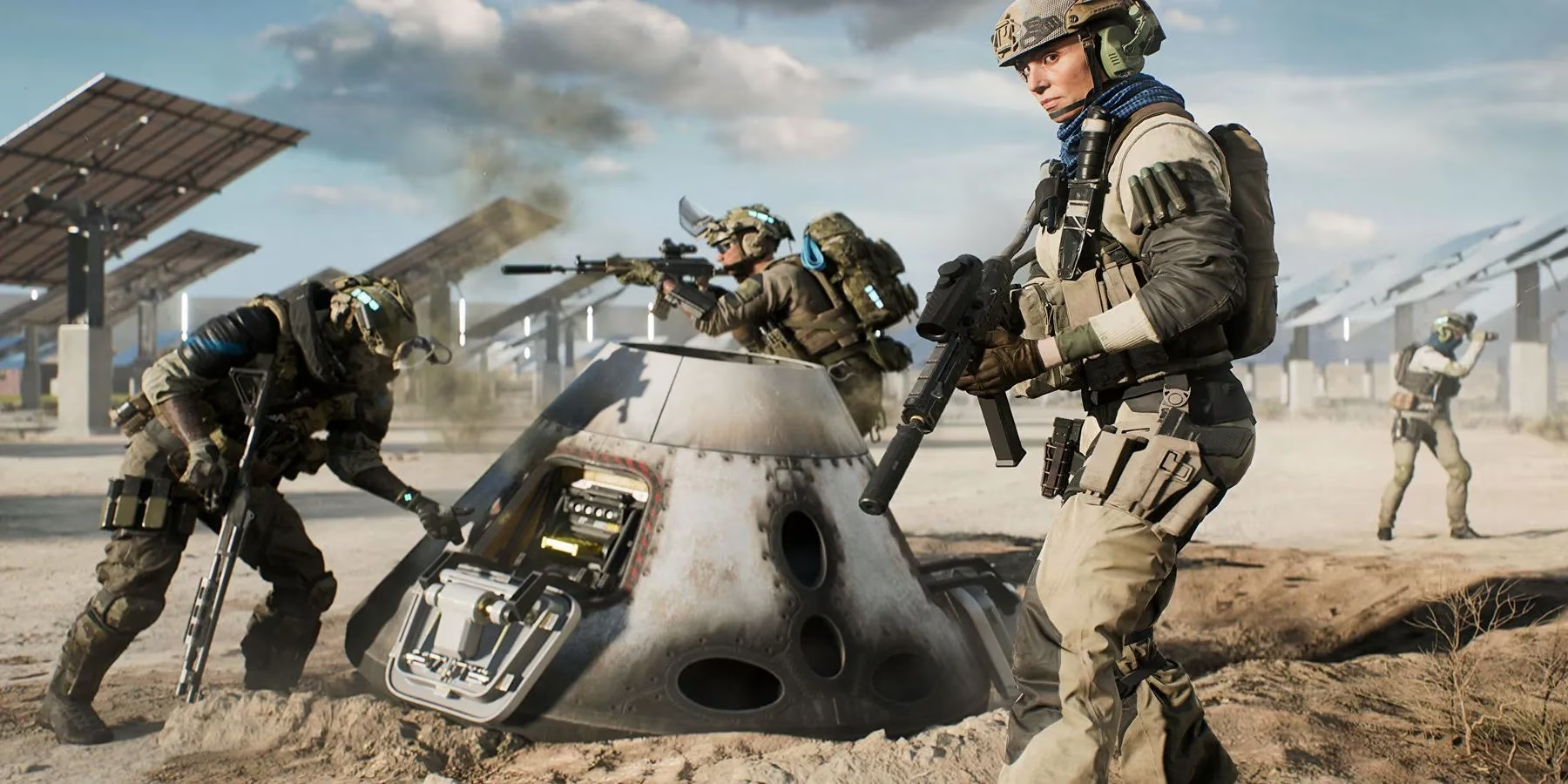
From my 2026 vantage point, I can look back at that launch window with clearer eyes. Battlefield 2042 arrived on November 19, 2021, and it quickly became one of the most divisive entries in the series. At launch, the game drew more than 40,000 Steam reviews, and a large share of them were negative. Players pointed to missing weapons, missing features, and a general sense that previous Battlefield games had offered more complete combined-arms sandboxes. I was one of those players who kept comparing the new game to older entries, and the anti-vehicle problem became a perfect symbol of that frustration.
🚀 The Rocket Launcher Problem
The core issue was simple: the rocket launcher was supposed to be the answer to vehicles, but it did not feel like the answer. According to a Reddit player’s test that spread through the community, the M5 recoilless rocket launcher needed four rockets to destroy a tank. The NWT sniper rifle also needed four shots, but it had a much quicker fire rate and reload time. That comparison sounds almost like a joke, but I remember how real it felt in matches. I would spawn with an anti-vehicle loadout, take careful angles, and land my rockets, only to feel like I was using a worse sniper rifle with extra steps.
| Weapon | Shots to Destroy a Tank | Fire Rate / Reload Feel | My Verdict |
|---|---|---|---|
| M5 Recoilless | 4 rockets | Slow, punishing, and ammo-limited | The dedicated anti-vehicle tool felt inefficient |
| NWT Sniper | 4 shots | Faster follow-up and reload | A precision rifle felt like a better tank counter |
That table is exactly why the balance conversation mattered. Battlefield has always separated itself from Call of Duty and other FPS games by making vehicles part of the infantry experience. Tanks, transports, hovercrafts, and aircraft create the chaotic combined-arms moments that define the series. When the anti-vehicle tools are weaker than precision rifles, the entire ecosystem starts to tilt. Infantry players feel like they cannot punish armor, vehicle players feel less pressure, and the map design loses some of its tension. I do not want vehicles to be free kills, but I do want rockets to feel like the correct response to armor.
🥊 Melee Executions and Missing Confidence
The anti-vehicle problem was not the only rough edge I ran into. Melee executions in Battlefield 2042 did not always work properly. I remember running up to an enemy, triggering the animation, and then watching the other player survive unscathed. It was awkward in a way that broke immersion and made close-quarters fights feel unreliable. In a game where every second matters, an execution that fails to execute is more than a visual bug. It is a trust issue.
DICE also had to remove solo progression from Battlefield 2042 to stop players from exploiting XP farming. I understood the intent, but the side effect was predictable: some players took a break until the issue was fixed. When progression feels compromised, the incentive to keep playing drops. When anti-vehicle balance feels off, the incentive to play combined-arms roles drops too. Those problems feed each other. A player who cannot trust rockets, melee animations, or progression has fewer reasons to stay in the match.
🧩 The Missing-Features List
One Battlefield 2042 player was so frustrated that they made an extensive list of features from previous games that were missing at launch. I did not need a list to feel the absence, but the list made the pattern impossible to ignore. Long-time Battlefield players expected a certain depth: robust vehicle counters, reliable infantry tools, meaningful progression, and the kind of sandbox freedom that made earlier entries memorable. When those expectations are not met, the community does not just complain about one weapon. It questions the direction of the whole game.
DICE and EA did confirm balancing changes for hovercrafts, and that showed the team was watching the vehicle sandbox. But the anti-vehicle rocket problem cut deeper because it touched the core infantry-versus-armor loop. I can forgive a launch that needs patches. I have a harder time forgiving a launch where the dedicated counter to vehicles feels less effective than a sniper rifle.
🎮 What I Take Away in 2026
Looking back from 2026, Battlefield 2042’s launch-era anti-vehicle imbalance remains a useful lesson. A Battlefield game can survive rough reviews if the combined-arms fantasy holds together. It struggles when players feel like the tools do not match the roles. Rockets should punish armor. Snipers should reward precision. Melee executions should resolve cleanly. Progression should not be exploitable. Those are not luxury features. They are the foundation of trust between the player and the sandbox.
I still enjoy the idea of Battlefield 2042 more than many of its launch matches. The potential was there in every tank push and every rooftop rocket shot. But I remember the four-rocket tank kills, the four-shot sniper tanks, and the failed melee animations because they represented a broader imbalance. In 2026, I measure shooters by how well their systems respect player intent. Battlefield 2042’s anti-vehicle weapons did not always pass that test, and that is why the memory still lingers.