Battlefield 2042: A Player’s Journey Through the 2022 Comeback and Beyond
I still remember the night Battlefield 2042 launched. The hype was enormous, the landing was rough, and like many players I found myself asking: was this the Battlefield I had waited for? The answer was complicated. Yet what kept me logging back in was not blind loyalty—it was the sense that DICE and EA were listening, even if the fixes arrived slower than any of us wanted.
The third update was the first real turning point. It was a big patch that tackled several major problems the community had pointed out, and it also added Rush mode across all the new maps. That mattered. Before that, Rush felt trapped inside Battlefield Portal; afterward, I could queue it on the same maps I was already learning. Another patch was expected later in December, and the roadmap pointed toward 2022 with a new map and smaller match sizes. I remember reading that and thinking, 'Finally—maybe the classic Battlefield rhythm is coming back.'
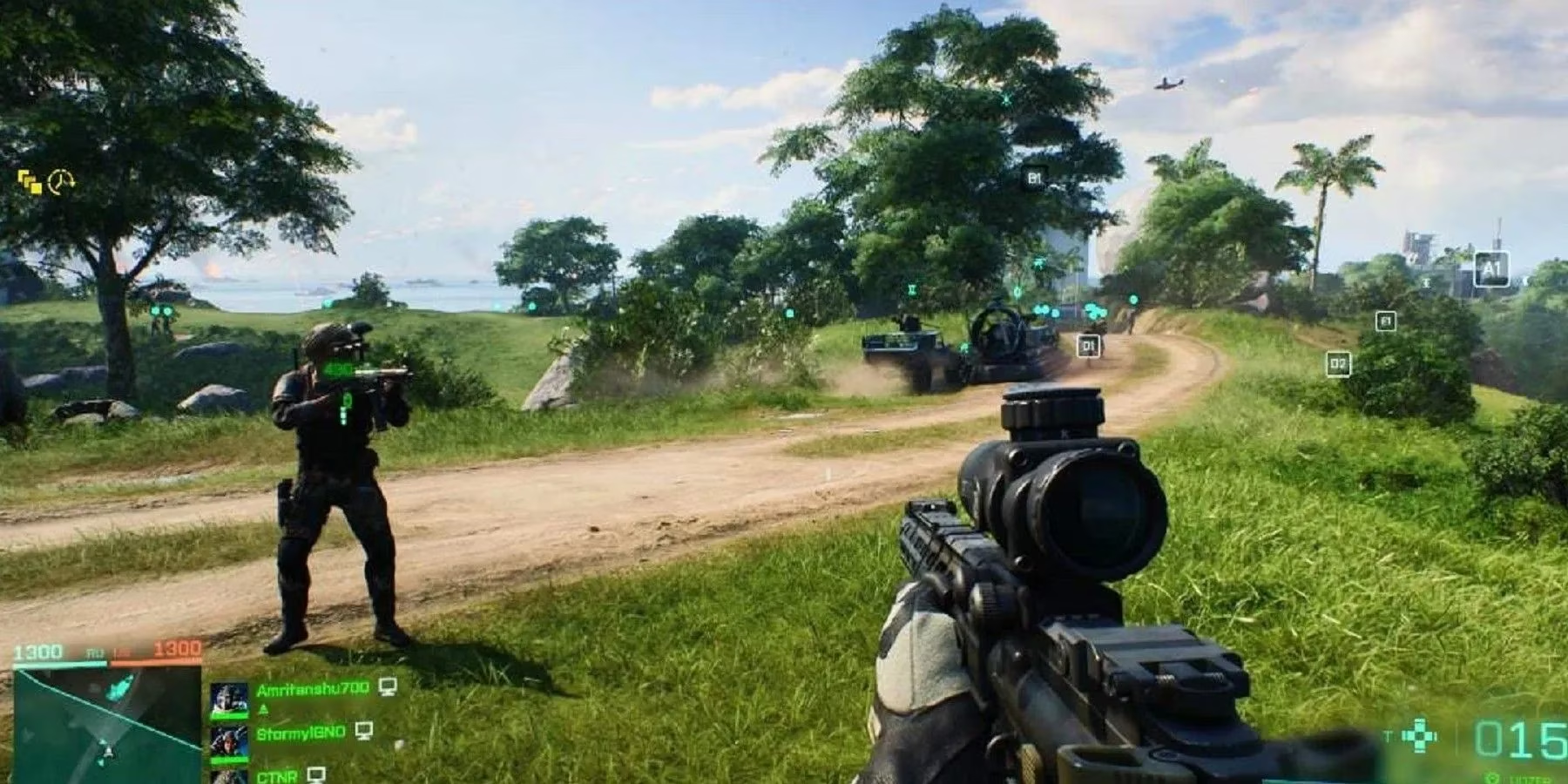
When 2022 arrived, the first live season brought new weapons, gadgets, vehicles, and a new Specialist. But the headline for me was 64-player Conquest, even if it was limited time. On maps like Discarded, Hourglass, and Orbital, the reduced player count changed everything. Fewer players meant fewer chaotic crossfires, more deliberate flanking, and a pace that felt closer to the Battlefield I grew up with. Breakthrough also got the reduced player count, and suddenly the modes felt less like a blur and more like a battle I could read.
Was 128 players bad? Not exactly. It was spectacular in bursts, but it often lacked breathing room. The 64-player experiment gave me space to think, to hold a line, to actually use cover instead of sprinting through a meat grinder. Players on PS4 and Xbox One already knew that rhythm—they had been playing with reduced player counts from the start. For those of us on PC, PS5, and Xbox Series X/S, it felt like a revelation. I couldn’t help but wonder: if the mode drew enough players, would it become permanent, the way Fortnite’s 50 vs 50 Team Rumble carved out its own audience? In 2026, looking back, that limited-time test feels like one of the smartest moves EA and DICE made.
The new map, Exposure, was another promise I clung to. DICE and EA kept the details close, but reports said it would take map design to a new level. I remember the speculation: verticality? A coastline? A hidden underground facility? The name alone suggested something raw and dramatic. When it finally arrived with Season One, it became the map I used to convince friends to return. 'Just try Exposure,' I told them. 'If you still hate it, fine.' More than a few of them stayed.
What about the scoreboard? It sounds small, but its absence was a symbol. Battlefield players are used to seeing their place in the match, their squad’s performance, the numbers that tell the story of a round. EA confirmed the team was working to bring the feature to the new Battlefield, and for me that mattered more than any trailer. A scoreboard is not just stats—it is accountability, bragging rights, and the quiet satisfaction of knowing your revive count actually helped.
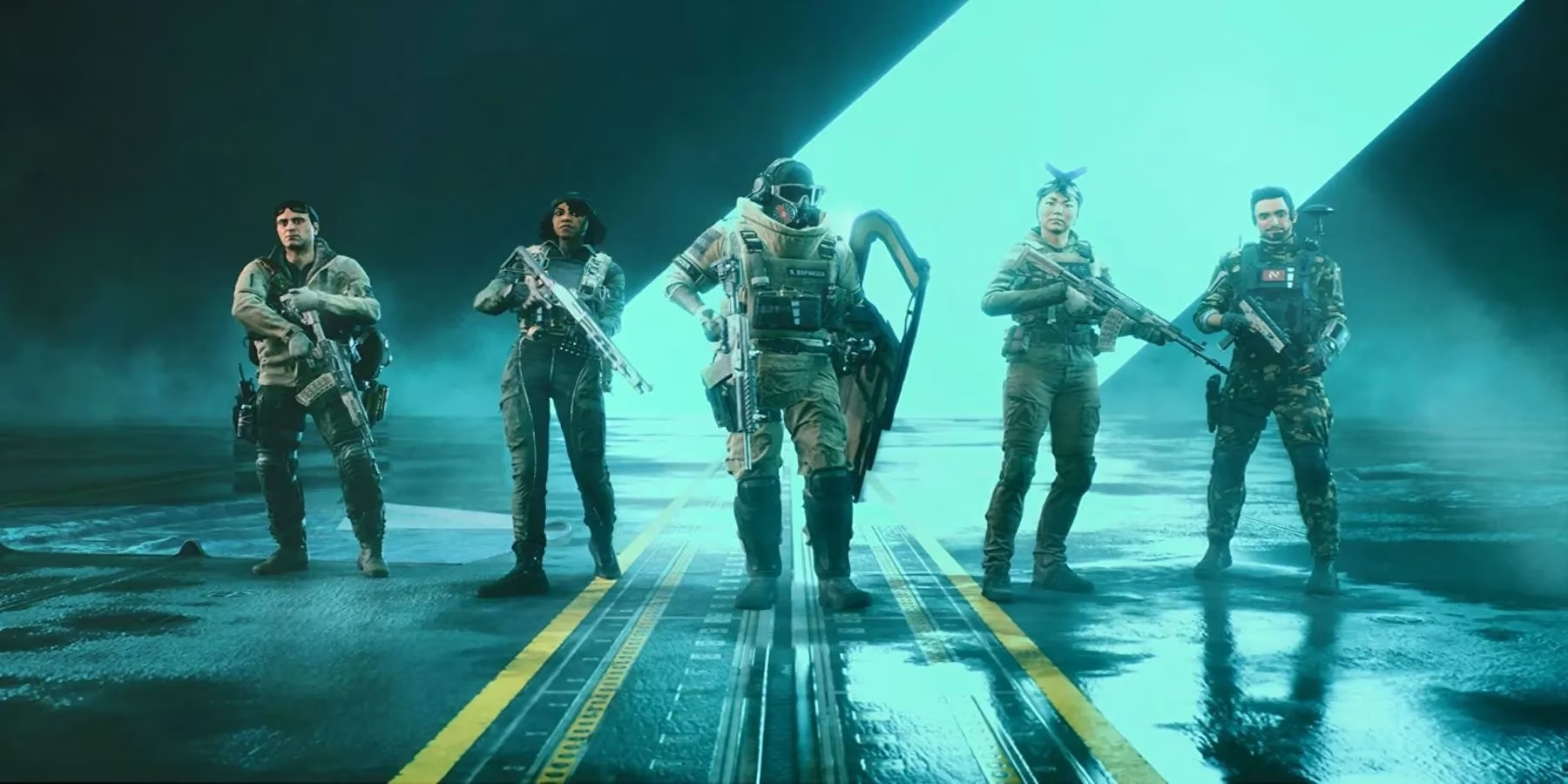
Of course, the first season was never going to fix everything. The live-service model was still finding its feet, and each new season had to prove that new weapons, gadgets, and Specialists could add fresh dynamics without breaking the balance. The existing roster—Sundance, the non-binary Specialist, and veteran Medic Maria Falck—already showed how varied the sandbox could be. Adding another Specialist meant new synergies, new counters, and new reasons to experiment. I wanted that, but I also wanted the fundamentals: stable performance, clear feedback, and maps that respected infantry and vehicle play equally.
| 2022 promise | Why it mattered to me |
|---|---|
| First live season | A reason to return, with new weapons, gadgets, vehicles, and a Specialist |
| 64-player Conquest (limited time) | A slower, more tactical pace on Discarded, Hourglass, and Orbital |
| Reduced-player Breakthrough | Fewer chaotic chokepoints and more readable pushes |
| New map Exposure | A chance to prove map design could reach a new level |
| Scoreboard | Accountability, squad pride, and the stats that tell the round’s story |
Now, in 2026, I can see the 2021–2022 roadmap for what it was: a recovery plan built on community pressure and small, cumulative wins. The third update, Rush everywhere, the December patch, the 64-player Conquest test, Exposure, the first live season, the scoreboard—they were not magic fixes. They were steps. And sometimes, in a game like this, steps are enough. Would I have preferred a flawless launch? Obviously. But the journey taught me something about live-service games: the launch is a starting line, not a verdict. Battlefield 2042 is available on PC, PS4, PS5, Xbox One, and Xbox Series X/S, and if you ask me whether it is worth another look in 2026, my answer is simple. Boot it up, find a squad, and see for yourself. 🎮